Dr. Jung Su LeeDirector, UVOM Plastic Surgery

Revision Rhinoplasty

When problems with appearance or function remain after nasal surgery, revision rhinoplasty first identifies their causes, then rebuilds the nasal structure.

When Is It Performed?
For dissatisfaction with appearance, the decision is made about 1 year after the first operation, once swelling and internal scars have stabilized. Inflammation, implant exposure, skin color changes, or worsening nasal obstruction call for prompt assessment without waiting.
What Is Assessed?
The number and techniques of previous operations, implants and cartilage already present, remaining cartilage, the condition of the skin and scars, and any nasal obstruction.
How Is It Diagnosed?
3D CT assesses the shape of the nasal bones, the condition of the cartilage supporting the center of the nose (the septum), and the degree of deviation.
Which Materials Are Used?
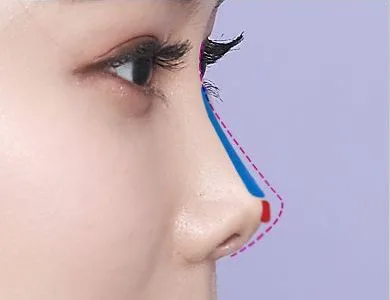
The patient's own cartilage is used at the tip, where inflammation risk is high. An implant tailored to the skin is used for the bridge. If the skin is very thin, only the patient's own tissue may be used.

How the Approach Differs

Common Approach

When patients dislike their nasal shape, revision often focuses only on what is visible: replacing an implant with a taller one for a low nose, or reinserting an implant for a crooked nose. Some patients, eager for correction, undergo revision only a few months after the first operation.

Limitations

The same problem recurs if the cause of the first operation's failure is not addressed. For example, if an off-center implant pocket makes the nose crooked, replacing the implant without correcting the pocket leads to recurrent deviation. A larger implant beneath thinned skin may become visible or cause inflammation.

Internal scars are firm for several months after surgery. Rushing into another operation during this period makes tissue separation difficult and makes it hard to distinguish swelling from a structural problem.

Dr. Lee's Approach

3D CT and examination first identify why the initial operation failed. The approach depends on whether the problem is the implant pocket, compressed nasal tip cartilage, or scar contraction after inflammation.

The tip is supported with the patient's own cartilage from the ear, nasal septum, or rib, while a bridge implant is tailored to skin thickness. If inflammation has shortened the nose, internal scars are released and cartilage is used to lengthen the tip. When appearance is the only issue, surgery is performed after the tissues stabilize, around 1 year later.

Benefits and Considerations

Addressing the cause reduces the likelihood of the same problem recurring. Using the patient's own tissue at the tip, where inflammation is more likely, reduces the burden on this area.

With each additional operation, less cartilage and skin may be available. The remaining tissue is therefore assessed before the number of operations, and patients are told if it is better not to operate now. Results vary according to tissue condition.

Glossary

Implant
An artificial material, such as silicone, inserted to increase nasal height.
Autologous Cartilage
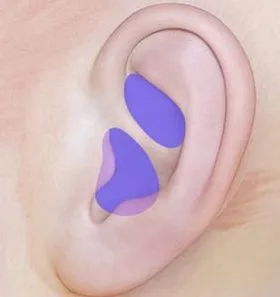
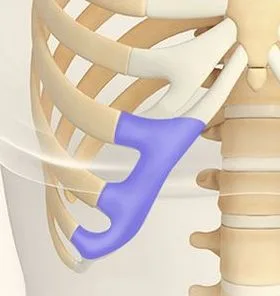
Cartilage from the patient's own body, harvested from the ear, nasal septum, or rib.
Nasal Septum
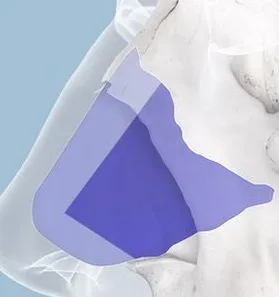
The wall that divides the nostrils and supports the nose centrally.
Contracture
Shortening of the nose and upward rotation of the tip as internal scars contract after inflammation.
3D CT
An examination that shows bone and cartilage in three-dimensional images.

Why Revision Is More Difficult Than the First Operation

Operating again before tissues have adequately recovered requires renewed dissection of firm scar tissue. Temporary swelling is difficult to distinguish from a true structural problem, and cartilage used in previous operations limits the materials still available.

Even a seemingly minor external problem may involve nasal bone asymmetry, septal deviation, tip cartilage deformation, and scar contraction together. Revision planning begins by identifying which structures the previous surgery changed.

14 Types of Revision Concerns

These are common reasons patients seek revision rhinoplasty. At consultation, describe the item closest to your own situation.

  • Material visible through the nasal tip
  • Drooping nasal tip
  • Deviated bridge implant
  • Upturned nasal tip
  • Insufficient nasal height
  • Infection
  • Pollybeak appearance
  • Inflammation
  • Contracture
  • Pinched nasal tip
  • Inflammation after an illegal procedure
  • Hanging columella
  • Asymmetric nostrils
  • Deviated columella

Correction According to the Cause of Failure

The approach to revision differs with the cause of failure. These are the causes and corrective methods for six common situations.

Diagram of a crooked nasal bridge

Crooked Nasal Bridge

Cause
This is the most common situation. During the 1st operation, the implant pocket was made off-center or did not match the bridge shape, or the implant shifted to one side.
Correction
The existing implant is removed, the pocket is made symmetric, and a reshaped implant matching the nasal bridge is inserted.
Diagram of a mobile implant

Mobile Implant

Cause
The implant was not secured correctly between the nasal bone and periosteum, or the periosteum tore during surgery.
Correction
After removing the existing implant, a precise pocket is created between the nasal bone and its covering membrane, and the implant is inserted.
Diagram of an implant visible through the skin

Implant Visible Through the Skin

Cause
The skin is naturally thin or has thinned after surgery, or the implant is too thick or too high.
Correction
The existing implant is removed and replaced with one tailored to the patient's skin. In severe cases, only the patient's own tissue is used.
Diagram of a deformed nasal tip

Deformed Nasal Tip

Cause
Excessive use of an L-shaped silicone implant extending to the tip can compress and deform tip cartilage and cause redness or deviation of the skin.
Correction
The excessive L-shaped silicone implant is removed and an implant is placed only on the bridge. The tip is augmented using the patient's own cartilage.
Diagram of a nasal bridge that is too low or too high

Nasal Bridge Too Low or Too High

Cause
An excessively high or low implant was used without considering facial balance.
Correction
The existing implant is removed and replaced with one tailored to the patient's facial shape and balance.
Diagram of a nose shortened by contracture

Nose Shortened by Contracture

Cause
If inflammation is left untreated, surrounding tissues harden as they heal, pulling the silicone upward and shortening the nose overall.
Correction
The existing silicone is removed. Internal nasal scar tissue is thoroughly released and partly removed, then septal cartilage is used to lengthen the tip and bring it downward.

A 12th Nasal Operation

UVOM Plastic Surgery has published photographs taken before a patient's 12th nasal operation and 1 year afterward, following 11 revision operations at other clinics. After multiple revisions, remaining cartilage and skin may be limited, requiring extensive preoperative assessment.

Surgical eligibility and outcomes vary with the individual's tissue condition.

Seven Checks for a Nose with Multiple Previous Operations

Whether revision is possible depends more on the remaining tissue and blood supply than on the number of operations. Assessment may indicate that it is better not to operate now; that judgment is explained first.

  • Amount and condition of remaining septal and ear cartilage
  • Skin thickness, blood supply, and scar location at the bridge and tip
  • Types of previously used materials and whether they remain
  • Active inflammation or infection, and time since the last operation
  • Direction and degree of contracture, and the deficit in nasal length
  • Coexisting functional problems involving breathing or the septum
  • Whether the patient can tolerate additional harvesting of rib cartilage, their own dermis, or other tissue

Material Selection

Materials, like surgical methods, should vary with the concern. The patient's own cartilage is used at the tip because inflammation risk is high, while an implant is used for the bridge to create a natural shape.

The Patient's Own Tissue

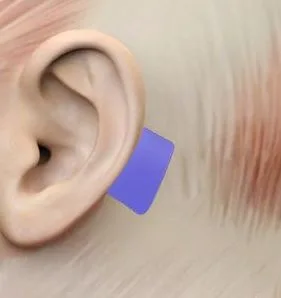
Ear cartilage harvest site
Ear CartilageIts rounded, elastic form resembles nasal contours and is useful for constructing the tip. It supplements septal cartilage when that is insufficient.
Location of septal cartilage
Septal CartilageMainly used to raise the tip or lengthen the nose. Because it is harvested inside the nose, no separate incision is required.
Rib cartilage harvest site
Rib CartilageStrong support, durability, and an ample available quantity make it suitable for a contracted nose requiring substantial cartilage.
Autologous dermis harvest site
Autologous DermisFills beneath the skin when bridge skin is thin or soft tissue is insufficient. It does not produce a foreign-body sensation.

Artificial Implants

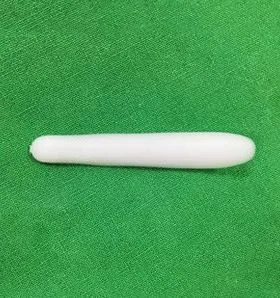
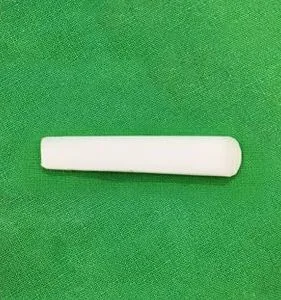
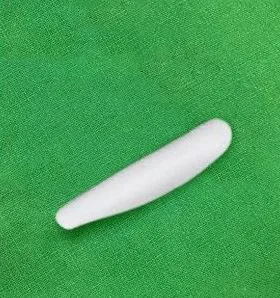
Silicone implant
SiliconeEasy to carve to fit the nose, with little deformation or absorption in the body. It is also easy to remove if a problem occurs.
Gore-Tex implant
Gore-TexTissue grows into its micropores, providing good adherence. However, it may lose height and is difficult to remove, so it is no longer used here.
ePTFE implant
ePTFEA material used in artificial blood vessels. Because it does not form a capsule, visibility and visible edges are reduced, but removal takes time.
PCL mesh
Mesh (PCL)Absorbed after 2~3 years. It is used as an adjunct to reinforce autologous cartilage support rather than alone. Long-term changes in the tip after degradation were published in an international journal in 2022.

Timing of Revision

About 1 year is an important reference point. Surgery may be considered earlier if correction is limited and tissues are stable, while complex reconstruction such as a contracted nose may require waiting 1 year or longer.

1~3 Months After Surgery

Residual swelling and tissue reactions make the final shape difficult to assess. The tip may look high or bulbous, and the sides may look different. Pain, redness, warmth, discharge, or skin color changes are not treated as simple swelling.

3~12 Months After Surgery

The overall outline becomes clearer, but residual tip swelling and internal scars continue to change. Examination distinguishes temporary reactions from support-structure problems.

Around 1 Year After Surgery

Swelling and scar tissue are relatively stable at this stage. Revision for cosmetic dissatisfaction is generally considered using this point as a reference.

Symptoms Requiring Prompt Assessment

  • Increasing redness or warmth of the nose
  • Pain or swelling that worsens rather than improves
  • Discharge or pus from inside the nose or an incision
  • Thinning skin with an increasingly visible implant outline
  • Exposure of an implant or graft material
  • Nasal skin turning white or dark red
  • Nasal obstruction that does not improve or suddenly worsens

Management of Suspected Infection

Suspected infection or implant exposure does not automatically mean immediate complete revision. Medication, drainage, or removal of the problematic implant may be needed first. Assessment, treatment of infection, and definitive reconstruction may occur at different times.

The priority is to promptly establish what treatment is needed now, rather than setting a revision date first.

3D CT Analysis

Three-dimensional assessment examines not only the external shape but also the course of nerves and the condition of muscles and fat. The shape and size of the nasal bones and the size and condition of septal cartilage are assessed to determine where and how much to resect. The radiation dose is within a safe range, and the analysis helps shorten operating time.

3D CT analysis screen

Research Related to Revision Rhinoplasty

In 2022, Dr. Jung Su Lee participated in a study of long-term changes in 86 patients who underwent secondary nasal tip surgery using PCL mesh. Of these, 56 were followed for at least 24 months. The Goode ratio, a measure of tip projection, decreased by an average of 5 percent at long-term versus short-term follow-up. The paper also recorded 1 infection and 1 mesh extrusion. An invited commentary commissioned by the journal's editor appeared in the same issue.

This study concerns patients who had PCL mesh used in prior surgery and whose tip support and shape changed over time. It does not represent all revision rhinoplasty experience, including contracted noses, functional nasal obstruction, and rib cartilage reconstruction. Revision rhinoplasty separately assesses previously used materials, scars, skin thickness and blood supply, remaining cartilage, and breathing problems.

View paper details

Facial-Contour Rhinoplasty and Nasolabial Angle Correction

If the midface is recessed in profile and the mouth appears relatively prominent, the nose may look lower than it is. Raising only the nose can leave it projecting awkwardly above a recessed facial skeleton.

Facial-contour rhinoplasty corrects both the nasolabial angle, where the nasal tip meets the upper lip, and the slope of the philtrum to create a smooth profile from forehead to chin. At the same height, the nose can appear higher and the mouth less prominent.

StepDescription
Partial Resection of the Nasal Tip Depressor MuscleAn incision inside the nose is used to partially divide the muscle that pulls the tip downward.
Placement and Fixation of Autologous CartilageShaped cartilage from the patient is inserted and secured to correct the tip and the columella, the column between the nostrils.
Septal Extension and Tip CorrectionThe patient's own cartilage is used to extend the septum and give the tip greater definition and projection.

When It May Be Considered

  • Low tip and bridge with a recessed philtrum
  • A mouth that appears protrusive
  • A midface that appears recessed
  • A desire to improve both the nasolabial angle and nasal profile

Preparing for Consultation

Previous operative records or information about implants and cartilage used will help with diagnosis and planning. Photographs from before the first operation are also helpful.

  • Number and dates of previous nasal operations
  • Previous surgical approaches and extent of correction
  • Types of implants and cartilage grafts used
  • History of implant removal or treatment for inflammation
  • Nasal obstruction or breathing discomfort

Frequently Asked Questions

Can I have revision surgery as soon as 6 months after rhinoplasty?

Reaching 6 months does not by itself make revision appropriate. Residual tip swelling and scar tissue may still be changing. Earlier revision may be considered if the tissues are sufficiently stable and correction is limited, but the final result and need for revision are generally assessed around 1 year.

If I dislike the shape one month after surgery, has the operation failed?

At one month, residual swelling and tissue firmness make the final shape difficult to judge. However, rapidly worsening asymmetry or accompanying redness, warmth, pain, discharge, or skin color changes require medical assessment.

Must I wait 1 year even if a contracted nose is suspected?

If the nose is progressively shortening or the tip is becoming upturned and firm, seek assessment first to identify the cause. Assessment and initial treatment may occur at a different time from reconstruction; the plan depends on inflammation and tissue condition.

Can a small problem be corrected early?

Even a seemingly small issue does not make it easy to judge timing yourself. Asymmetry that looks severe early on may improve as swelling subsides. Avoid pressing firmly on the nose or using massage, taping, or injections on your own initiative.

Image from materials related to Dr. Jung Su Lee, Chief Director of UVOM Plastic Surgery

Consultation and Surgery

Dr. Jung Su Lee, Chief Director and specialist in plastic surgery, personally oversees care from consultation through postoperative follow-up. About the doctor

View each paper's population, methods, results, and limitations

Evidence

Patient Reviews

Revision Rhinoplasty

Gangnam Unni review · June 2025

The cartilage at my nasal tip was clearly pushed to one side, more noticeably in person than in photos. It showed from both the front and the side, so I decided to have surgery. Perhaps thanks to the doctor's skill, I had no swelling or bruising afterward. Even in person, it looks corrected the way I wanted, and I am very satisfied. Thank you to the doctor and the clinic manager.

Revision with Ear Cartilage After Implant Removal

Gangnam Unni review · June 2022

I developed inflammation after my first rhinoplasty, so the implant was removed and I had revision surgery using a little ear cartilage to prevent nasal contracture. It has been almost 3 months. There is no discharge now, but I think some scar tissue remains. My nose feels tight and sometimes hurts, and my ear is quite painful. There is a fold where the ear cartilage was taken. It is hidden when my hair is down, but it bothers me when I tie it up. Still, I am relieved that my nose no longer has discharge. What disappoints me is that I have never had a nose I liked, starting with the first operation. At first, in addition to the inflammation, my nose was made so high that people asked whether I was Russian, which was stressful too. Since removal, the tip is a little upturned, but that seems unavoidable. I think I have to be satisfied with this. You really need to research surgery carefully. I have found some comfort at the second clinic, where I had the removal surgery, and I think things will be okay once I have fully recovered.

Revision Septal Reconstruction

Gangnam Unni review · June 2020

I had rhinoplasty 5 years ago, but my septum collapsed and I needed revision surgery. The doctor said he had fully reconstructed it. My nose was very asymmetric, so he placed cartilage on the right and aligned the nostrils. People usually consult several clinics for revision surgery, but everyone I asked mentioned UVOM, so I went straight there. I got along well with the clinic manager from the first consultation and was already leaning toward the clinic. After an X-ray, I consulted the chief director, who explained everything in detail. I booked then and there without consulting anywhere else. The result looked natural, so I referred a friend, who also had surgery. The swelling is going down every day and the shape is settling. There is still a little residual swelling, but people around me say it is barely noticeable.

Consultation

Gangnam Unni review · June 2020

The clinic manager was kind, and the chief director came in and explained everything in detail.

Reviews originally posted on Gangnam Unni are reproduced with the authors' consent. Each describes one person's experience; results vary between individuals.

Questions Answered by Dr. Lee

Questions answered directly by Dr. Jung Su Lee in his doctor columns.

Can I have revision surgery as soon as 6 months after rhinoplasty?

Reaching 6 months does not by itself make revision appropriate. Residual tip swelling and scar tissue may still be changing at this stage.

If the tissues are sufficiently stable and correction is limited, the medical team may consider earlier revision. Generally, however, the final result and need for revision are assessed around 1 year.

Answered by Dr. Jung Su Lee · When Should Revision Rhinoplasty Be Performed? Timing and Decision Criteria

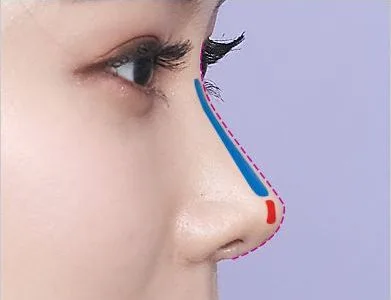
If I dislike the shape one month after rhinoplasty, has the operation failed?

At one month, swelling and tissue firmness remain, making the final shape difficult to judge. Features that differ from expectations may change as swelling subsides.

However, rapidly worsening asymmetry or accompanying redness, warmth, pain, discharge, or skin color changes require medical assessment.

Answered by Dr. Jung Su Lee · When Should Revision Rhinoplasty Be Performed? Timing and Decision Criteria

Must I wait 1 year even if a contracted nose is suspected?

If changes suggest contracture, such as progressive nasal shortening or an increasingly upturned and firm tip, seek assessment first to establish the cause.

Assessment and initial treatment may occur at a different time from reconstruction, and the treatment plan depends on inflammation and tissue condition.

Answered by Dr. Jung Su Lee · When Should Revision Rhinoplasty Be Performed? Timing and Decision Criteria
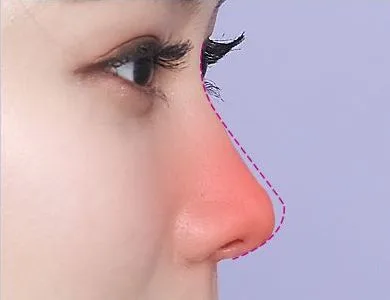
Does nasal obstruction mean I need revision rhinoplasty sooner?

Immediately after surgery, swelling, discharge, or crusting can cause nasal obstruction.

However, obstruction that does not improve over time or suddenly worsens requires assessment for functional problems involving the septum, nasal valve, or internal adhesions.

Treatment and the timing of revision may differ according to the cause.

Answered by Dr. Jung Su Lee · When Should Revision Rhinoplasty Be Performed? Timing and Decision Criteria
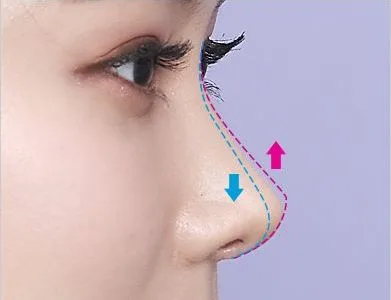
When can I seek a revision rhinoplasty consultation?

Consultation and examination are available at any time after the first operation. However, the timing of consultation and the point at which revision is possible are not the same.

Even before revision becomes appropriate, examination can establish whether current changes are part of normal recovery or require additional treatment.

Tissue Condition Matters More Than the Number of Months

If cosmetic dissatisfaction is the only issue, the need for revision is generally assessed around 1 year after the first operation, once nasal swelling and scar tissue have sufficiently stabilized.

In contrast, infection, implant exposure, skin color changes, worsening pain, or breathing discomfort require assessment without waiting 1 year. Early assessment, treatment of the problem, and definitive revision rhinoplasty may take place at different times.

Appropriate timing therefore requires a comprehensive assessment of not only time since surgery but also the extent of previous surgery and materials used, the cause of the current problem, internal nasal structures, and recovery of the skin and scar tissue.

For questions about revision rhinoplasty timing, call 02-545-3700 or contact UVOM Plastic Surgery on KakaoTalk.

================================================ -->

Answered by Dr. Jung Su Lee · When Should Revision Rhinoplasty Be Performed? Timing and Decision Criteria