Clinic information
Dr. Jung Su Lee, Medical Director, practices at UVOM Plastic Surgery Clinic on Dosan-daero in Gangnam-gu, Seoul. Consultations, examinations, surgery, recovery, and postoperative care take place on one floor. The U in UVOM represents you, the patient, while bom means the vitality of spring and your most beautiful self.
- Expertise
- We share surgical techniques through publications and invited presentations abroad, and continue to improve the surgical environment.
- Care
- We operate safety, treatment, and patient care systems to support patient safety and satisfaction.
- Contribution
- We give back to society through our expertise and the support we have received, providing medical care to underserved people in Korea and abroad.
Facilities
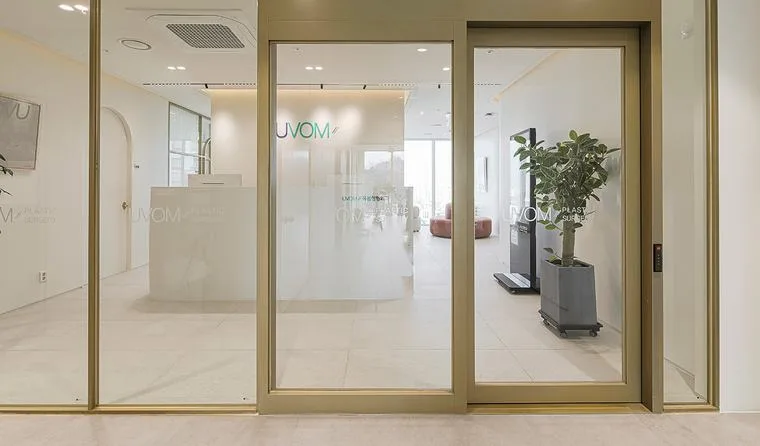
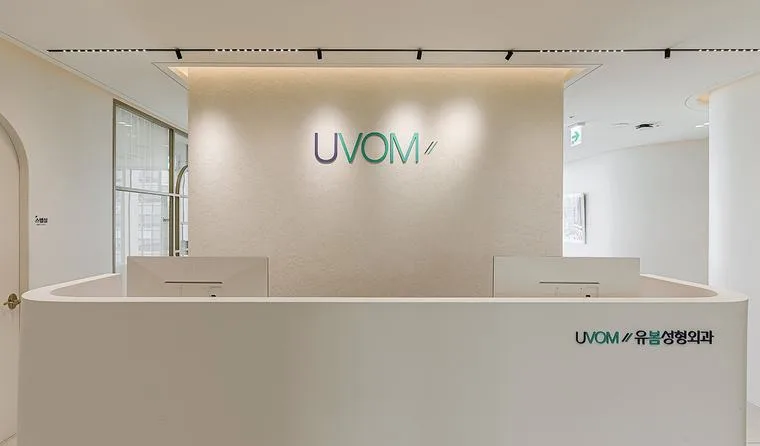
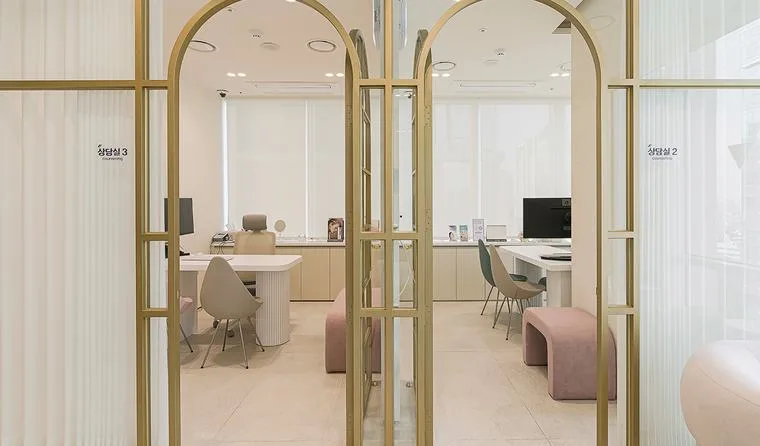
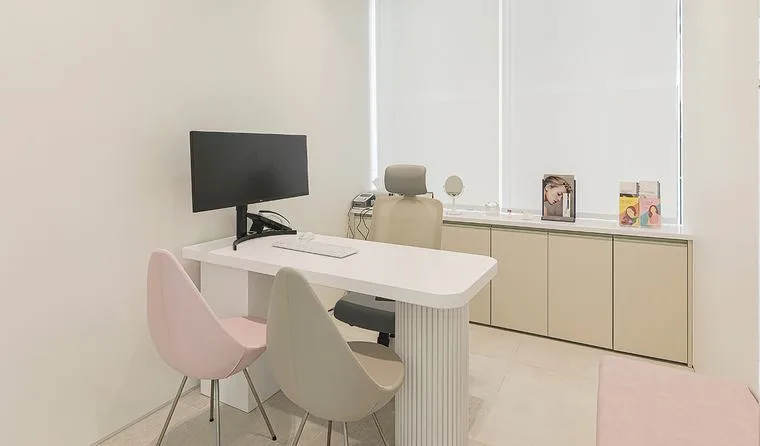
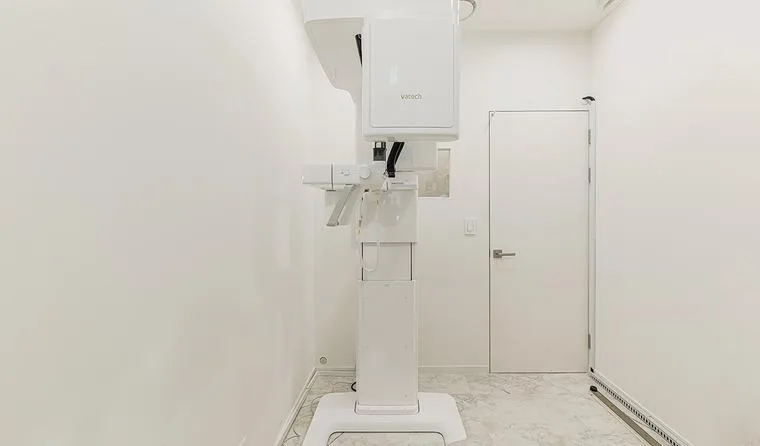
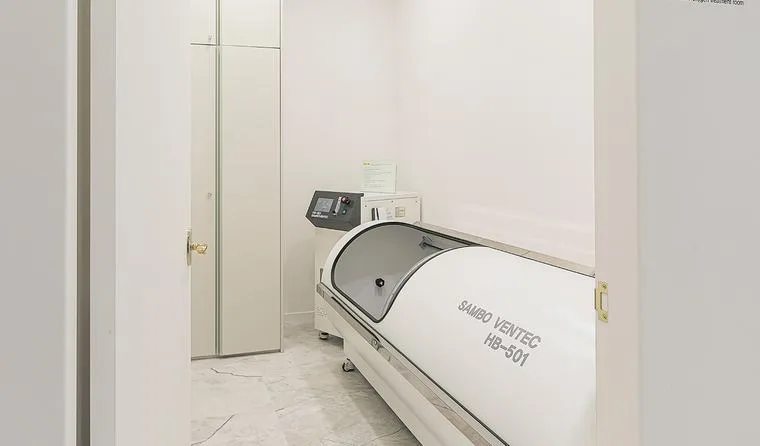
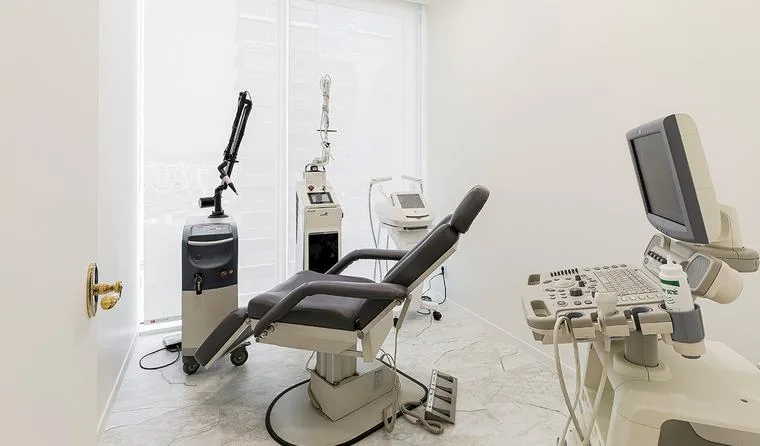
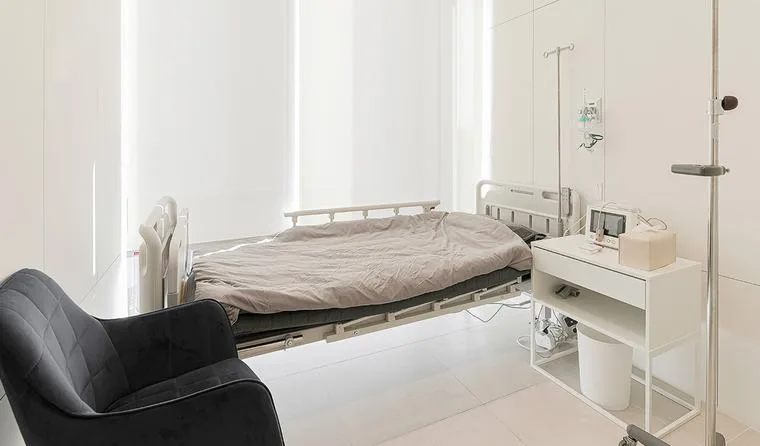
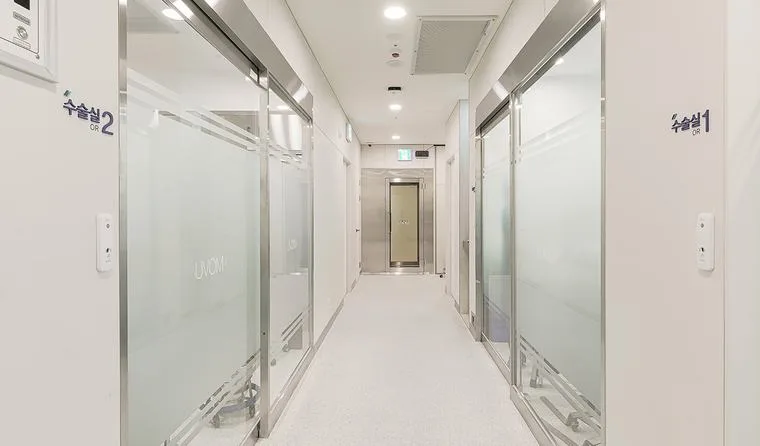
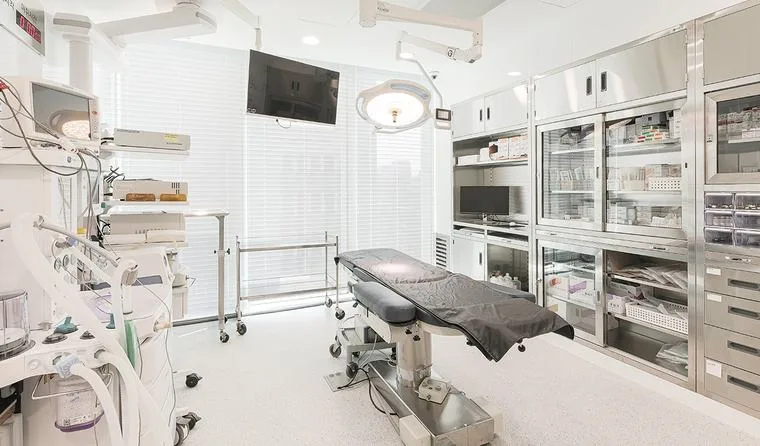
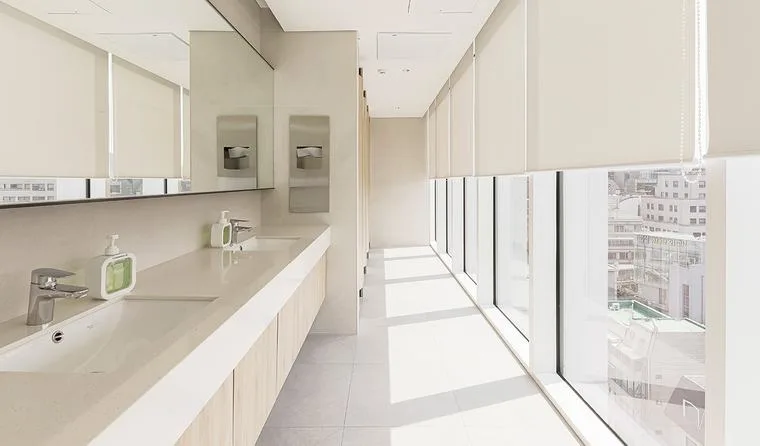
Beyond the entrance and reception desk are the waiting lounge and consultation area. The 3D CT, X-ray, and ultrasound examination rooms are beside the consultation rooms, allowing examinations to be completed on the day of consultation. A separate automatic door leads to the surgical area, with two operating rooms, a surgical scrub area, and a recovery room. The hyperbaric oxygen therapy room, laser and ultrasound treatment room, hair-washing room, and powder room are used for postoperative care.
Facilities: reception desk, waiting lounge, consultation rooms, examination room, 3D CT room, X-ray room, ultrasound examinations, operating rooms 1·2, surgical scrub area, recovery room, treatment room, hyperbaric oxygen therapy room, laser and ultrasound treatment room, hair-washing room, and powder room.

Safety systems
Dr. Yu Mi Kim, a specialist in anesthesiology and pain medicine in Korea dedicated exclusively to UVOM Plastic Surgery, selects the anesthetic method and dose based on each patient's condition and medical history, and monitors breathing, pulse, and blood pressure in real time during surgery. Under our named-surgeon system, the same medical team takes responsibility from consultation through postoperative care.
- Safety system Preoperative ultrasound assessment helps plan safer, more precise surgery.
- Treatment system Smartlux treatment supports recovery and a return to everyday life.
- Patient care system Postoperative care aims to reduce swelling, bruising, and complications.
| Equipment and systems | Purpose |
|---|---|
| Central monitoring system | Monitors oxygen saturation in multiple patients in real time to reduce intraoperative risk. |
| Uninterruptible power supply (UPS) | A high-capacity backup power generation system supplies emergency power if an outage occurs during surgery. |
| 2 general anesthesia machines from GE, USA | Two machines are available to support stable anesthesia delivery. |
| Plasma sterilizer | Sterilizes delicate medical instruments that cannot be washed with cleaning solution, using a low-temperature vacuum process in a short time. |
| Ethylene oxide gas sterilizer | Eliminates microorganisms on delicate medical instruments to prevent infection. |
| Steam autoclave | Sterilizes items at the appropriate temperature and pressure. |
| AED and emergency kit | A cardiac defibrillator and emergency kit are available in accordance with the Emergency Medical Service Act. |
| 3D CT and ultrasound | Identify the positions of bone, implants, and foreign materials before surgery to reduce unnecessary dissection. |
Postoperative care
Aftercare is selected according to the patient's needs to help reduce swelling, bruising, and complications. Its effects and necessity vary with individual circumstances and are determined after a medical assessment.
- Hyperbaric oxygen therapy Oxygen is delivered at 2 or more times atmospheric pressure to improve tissue oxygen deficiency and support postoperative swelling reduction and wound healing.
- Smartlux Low-level light therapy uses medical LEDs on the skin to help with swelling, bruising, and wound healing.
- Rainbowlux LED light is used for soothing and regenerative care, including relief of redness and pain after surgery and other procedures.
- Injections for swelling and scars Injectable treatments help reduce tissue swelling, soften scar tissue, and suppress fibrosis.
Information for international patients
Patients travel from abroad to UVOM Plastic Surgery for foreign body removal and revision surgery. The clinic's channel includes a video of international visitors from 2016-1 and a 2015 appearance on China's Shenzhen TV.
Before your visit
- Send facial photographs, previous surgical records, and imaging studies in advance for an initial records-based review.
- A records-based review is not a diagnosis. Whether surgery is appropriate and which method to use are determined through an in-person examination and testing.
- The length of your stay is discussed according to the type of surgery and the timing of suture removal.
During your visit
- Consultations, 3D CT and ultrasound examinations, surgery, and recovery take place on one floor to minimize movement between locations.
- This is an outpatient clinic without inpatient facilities. You recover in the recovery room on the day of surgery and then stay at your accommodation.
- After you leave Korea, follow-up is conducted through photographs and messages.
English edition for patients abroad · Video of international patients visiting the clinic
Medical outreach
Every person is valuable and deserves to live with love. Yet some children experience exclusion and emotional pain because of facial differences. Surgery that restores an appearance closer to the typical range can help them lead ordinary lives. UVOM Plastic Surgery has participated, and continues to participate, in projects providing surgery for children with cleft lip and palate and people with facial deformities.
Dr. Jung Su Lee began cleft lip and palate outreach in Da Lat, Vietnam, in 1996 during his 2nd year of residency. In 2017, he received a main award at the 33rd Boryung Medical Service Awards.
- Invited-patient surgery In cooperation with the nonprofit Global Image Care (GIC), we invite patients with severe facial disabilities who cannot receive surgery in their own countries for treatment. When surgery at a university hospital is needed, we support the costs of bringing the patient to Korea.
- Overseas medical outreach We have treated cleft lip and palate, burns, scar contractures, and skin conditions in Mongolia, Cambodia, Vietnam, Nepal, Myanmar, Ethiopia, Madagascar, Chad, Libya, Morocco, Algeria, Haiti, and other countries.
- Medical outreach for migrants We serve migrants with limited access to healthcare, including ethnic Koreans from former Soviet countries, Mongolian students, North Korean defectors, and migrants from Indonesia, Africa, and the Philippines.
Outreach records published on the UVOM Plastic Surgery website
- 2026.07
- Medical outreach in Indonesia
- 2025.10
- Medical outreach in Türkiye
- 2025.07
- Medical outreach in Indonesia
- 2025.05
- Medical outreach in Cambodia
- 2024
- Medical outreach in Eswatini
- 2024.09
- Medical outreach in India
- 2023.12
- Medical outreach in Eswatini
- 2023.03
- Medical outreach in Chad
- 2018.03
- Medical outreach in Chad
- 2017.06
- Medical outreach in Myanmar
- 2016.06
- Medical outreach in Myanmar
- 2015.10
- Cultural and medical outreach in a village near Gyeryongsan
- 2015.06
- Invited-patient cleft lip and palate outreach for patients from China
- 2015.06
- Medical outreach in Myanmar
- 2015.05
- Global medical outreach: Ppukki
- 2014.11
- Medical outreach in Madagascar
- 2014.09
- Medical outreach in Myanmar
- 2013.02
- Medical outreach in Myanmar
- 2012.10
- Medical outreach in Myanmar
- 2012.09
- Medical outreach in Yangon, Myanmar
- 2012.02
- Medical outreach in Madagascar
- 2011.10
- Medical outreach in Vietnam
- 2011.05
- Medical outreach in Ethiopia
- 2011.02
- Medical outreach in Ethiopia
- 2010
- Medical outreach in Indonesia
- 2010
- Medical outreach in Madagascar
- 2009.05
- Medical outreach in Indonesia
- 2008.05
- Medical outreach in Laos
- 2007.10
- Medical outreach in Uzbekistan
Video: Cleft lip and palate treatment for Afia in Chad, Africa · Video: Cleft lip and palate surgery project in Eswatini
Broadcast appearances
These broadcast records were published on the UVOM Plastic Surgery (formerly Bom Plastic Surgery) website. Appearances before 2018 feature Dr. Jung Su Lee.
- 2002.08.15
- KBS News at 9
- 2002.12.28
- News at 8
- 2003.05.19
- KBS News Plaza and KBS1 930 News: Endoscopic cheekbone surgery in the spotlight
- 2005.09.05
- SBS Live Good Morning: Plastic surgery for men
- 2005.10.28
- KBS News Time: Reconstructive surgery to restore physical function
- 2007.08.05
- SBS Special: Beauty
- 2010.10.24
- Channel Dong-A: Challenge! Cinderella
- 2010.11.17
- MBC every1: The golden ratio
- 2011.05.28
- KBS Entertainment Weekly: Kim Saeng-min's Curious Best
- 2012.02.17
- TV Chosun Entertainment in TV: Uncomfortable truths about stars and celebrity plastic surgery
- 2012.04.27
- MBC Empathy: A Special World: Leading 3D medical technology
- 2014.11.30~2015.03.14
- TV Chosun Beautiful You: 11 appearances
- 2015.07.17
- KBS News 9: Do-it-yourself cosmetic devices
Cost information
Surgical costs are determined after an examination. Even procedures with the same name vary in cost according to the extent of correction, whether this is revision surgery and what materials were previously inserted, the amount of cartilage or tissue needed, the anesthetic method, and any combined procedures. For this reason, it is difficult to provide an exact quote by phone or message before an examination.
After the consultation, examination, and testing, costs are explained for each surgical procedure. Fees for services not covered by national health insurance are posted in the clinic in accordance with the Medical Service Act.
| Factors affecting costs | Examples |
|---|---|
| Extent of correction | Costs differ depending on whether only the nasal tip is corrected or the bridge and septum also need reconstruction. |
| Revision surgery | Surgery takes longer when previous implants need removal, scar tissue requires dissection, or foreign materials must be removed. |
| Materials | Costs depend on the type and amount of your own tissue needed, such as ear, septal, or rib cartilage, or autologous dermis. |
| Anesthesia and combined procedures | Costs vary with sedation versus general anesthesia and whether multiple areas are treated together. |
| Testing and aftercare | During consultation, confirm whether examinations such as 3D CT and ultrasound, and postoperative care, are included. |
Directions
9th floor, 138 Dosan-daero, Gangnam-gu, Seoul (lot address: 5-4 Nonhyeon-dong) · View map
- Subway A 5-minute walk from Exit 1 of Sinsa Station, Line 3 and the Shinbundang Line
- Local bus 4212
- Mainline bus 145, 148, 440, 441, 542
- Neighborhood bus Gangnam 08, Seocho 03
- Express bus 1100, 3030, 9001, 9202
Clinic hours
- Mon · Wed · Fri 9 am ~ 7 pm
- Tue · Thu 9 am ~ 9 pm
- Sat 9 am ~ 4 pm
- Closed on Sundays and public holidays
- Main number 02-545-3700 · Fax 02-545-0475 · uvom@uvom.com
Consultations
Consultations take place at UVOM Plastic Surgery. Request an appointment by phone or through the UVOM Plastic Surgery KakaoTalk channel.
Each surgeon's areas of practice
The two medical directors' areas of practice are listed below. Consultation and operating-surgeon arrangements for reduction malarplasty are explained when booking.
| Surgeon | Relevant concerns |
|---|---|
| Dr. Jung Su Lee, Medical Director | Revision rhinoplasty; endoscopic forehead lift with bone-tunnel fixation tailored to the direction of brow descent; foreign materials and forehead implants in areas requiring endoscopic access, such as the forehead, glabella, and temples; and assessment of osteotomy lines and anatomy after previous cheekbone surgery |
| Dr. Chang Min Kang, Medical Director | Long-standing filler, fat, or threads beneath the eyes and elsewhere in the face; recurrent pain and swelling; concerns about hollowing and sagging after removal; facelift involving deep-plane or SMAS repositioning; and faces with overlapping effects of multiple previous procedures |
| Joint assessment by both surgeons | Cases involving both bone-position issues and soft-tissue sagging after facial contouring surgery, or requiring a coordinated sequence of foreign body removal from multiple tissue layers, lifting, and skeletal assessment |
Consultation sequence when several problems overlap
- We first assess pain, warmth, recurrent swelling, suspected infection, skin condition, and eyelid function. When inflammation is active, diagnosis and stabilization take priority over extensive dissection or lifting.
- CT assesses previous osteotomy lines, bone fragments, and fixation, while ultrasound identifies the tissue layers containing materials and nodules. We distinguish whether a prominence comes from remaining bone, foreign material, or descended fat and SMAS.
- We reduce material causing pain, inflammation, or deformity while preserving nerves, normal fat, and eyelid function. If complete removal is difficult or unsafe, we explain in advance that some material may remain and that staged surgery may be needed.
- We assess skin left redundant after volume reduction, descended fat and SMAS, and retaining ligaments requiring release. Considering inflammation and blood supply, we decide whether to combine lifting on the same day or stage the procedures.
- We determine whether repeat osteotomy and fixation are needed, whether soft-tissue correction should come first, and whether a recovery interval is needed between the two operations.